




Audio Version: Press Play to Listen
Fracture detection AI: the same technology, three distinctly different workflows and benefits
When hospitals begin exploring clinical AI, they often start with a clear idea of what they want to deploy. They've heard about a particular solution, seen results from a neighbouring institution, and made an initial decision before the first conversation with a solution provider has taken place.
What's less settled - and what can often determine how well an AI deployment delivers - is how the technology fits into the clinical workflow. Which patients it should cover. Where in the pathway it sits. What outcomes they're aiming to achieve. How to monitor ongoing clinical performance. What the team does when the AI result is uncertain, or when a patient presents with something the application wasn't trained on.
Those questions don't get answered by the product. They get answered by the work that happens around it.
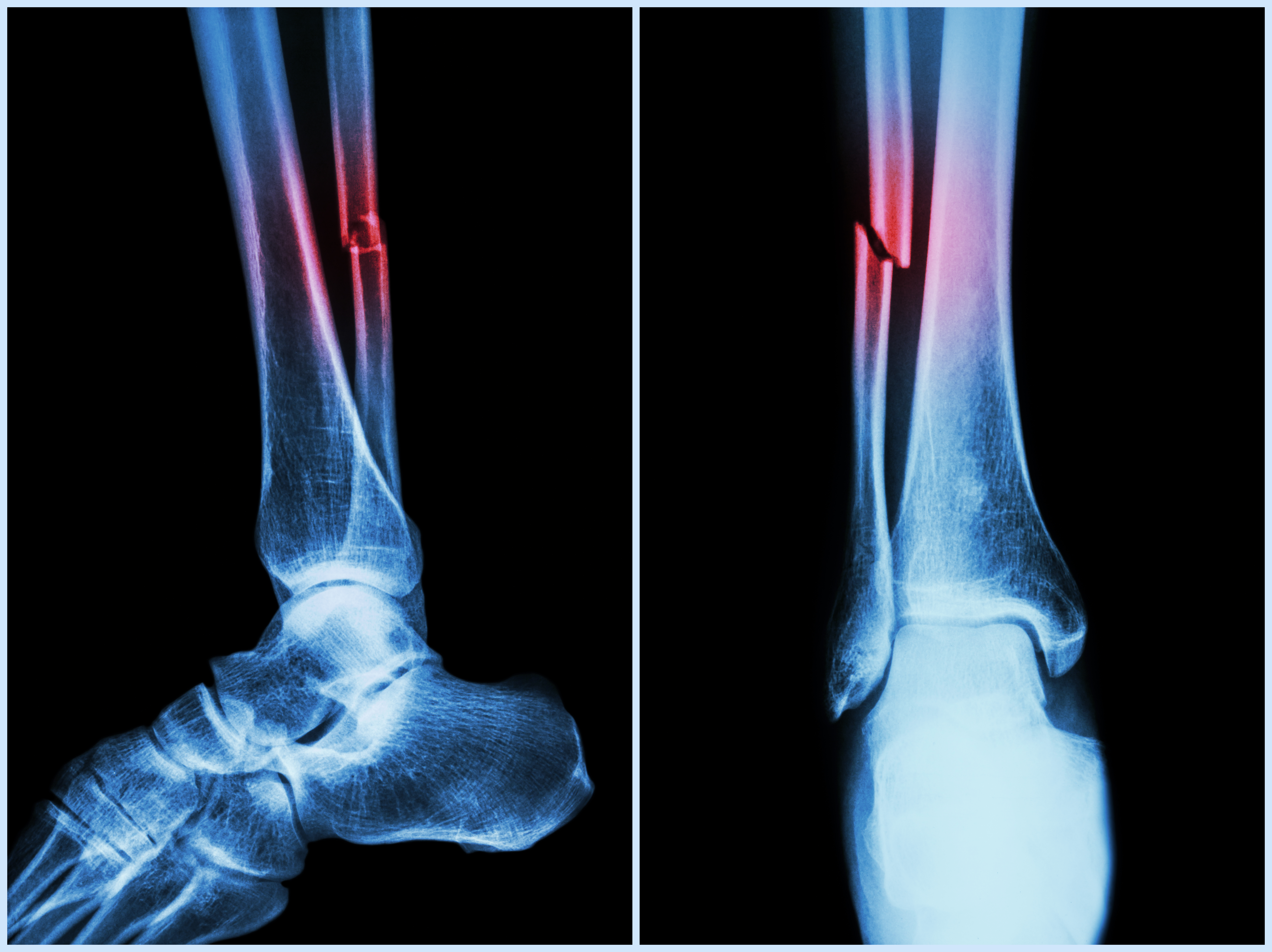
Across three current customers, the same fracture detection technology is being used in three distinctly different ways. The clinical challenge being solved in each case is distinct, and so is the workflow built to solve it.
Northern Norway: discharging patients before the radiologist reports
A hospital within the Northern Norway Regional Health Authority is implementing one of the more ambitious fracture detection workflows currently in deployment. The scope alone is significant: 17 X-ray departments across four hospital trusts with a regional project structure spanning implementation teams at every site.
They set out to solve a common clinical problem: patients presenting with suspected fractures receive an X-ray, wait for a radiologist report that can take anywhere from ten minutes to two hours, and are then directed either to orthopaedics or home. The bottleneck sits in that reporting window and the patients waiting on a result that, the majority of the time, will be negative.
AI-supported workflow changes that decision point. Images are sent directly to the application for analysis as the examination is completed. The radiographer uses the AI result as decision support for triage: a positive result for fracture, dislocation, or joint effusion routes the patient to the orthopaedic clinic or the in-house emergency room. A negative result, where no additional clinical supervision has been requested, allows the patient to go home, before the formal radiologist report has been issued.
Referrals into the pathway must include a treatment plan agreed with the patient for the event of a negative AI result. All examinations are still reported by a radiologist, with off-shift examinations carried through to the next working day. And in the event of a false negative, there's a clear escalation protocol: the radiologist contacts the orthopaedist to recall the patient.
The confidence to operate this workflow rests on validation data. Performance benchmarks drawn from a comparable Norwegian hospital show AI sensitivity of 90.7% and specificity of 91.7%, a margin within a range that the clinical team assessed as appropriate for triage decision-making in this specific pathway. The hospital’s own validation is currently underway across 300 adult and 600 paediatric patients, with a paediatric-specific study designed to generate the evidence base needed to extend the workflow to younger patients in a subsequent phase.
This model represents a progressive step forward in high-flow clinical environments. By expanding the benefits of radiology AI beyond the reporting room directly to the frontlines of A&E, it ensures immediate support where patient volumes are highest. Getting there required the clinical team to be precise about what problem they were trying to solve, what evidence they needed before proceeding, and what the pathway would do when the AI wasn't certain.
Italy: protecting radiologists from overnight cognitive fatigue
A hospital in Italy approached the question of where to deploy fracture detection AI from a different starting point. Rather than looking at the patient pathway, they looked at the clinical team and identified the overnight shift as the point of greatest vulnerability.
Their overnight radiologists cover multiple hospitals simultaneously. High workload and the physiological effects of night shifts create conditions where subtle fractures and minor effusions are most likely to be missed -- not through lack of skill, but through the kind of fatigue that affects clinical performance regardless of experience.
"Working night shifts, you are tired and there is cognitive fatigue," says Swati Vara, Clinical Product and Operations Specialist at Blackford. "This is more likely when doctors are going to miss subtle fractures or minor effusions, despite their best efforts."
The deployment here uses AI not to accelerate discharge, but to act as a second reader and worklist prioritisation tool during the hours when the clinical team is most stretched. Examinations where the AI flags a positive finding are surfaced to the top of the reporting queue, so radiologists see the cases most likely to need attention first.
The practical effect is twofold: the highest-risk cases get reviewed earliest, and radiologists reviewing a long overnight list have an additional reference point on every examination they open. This is also the hospital's first AI deployment, and like many institutions, they chose fracture detection as the entry point precisely because the evidence base is established and the operational value tends to be visible quickly.
Using AI to make radiology training more effective
The third application sits outside any single site. Across a number of customers, fracture detection AI has quietly become part of how radiology training works: teams experimenting with it as a reference point for residents, and finding it adds more than they expected.
The workflow is straightforward; residents interpret an examination and write a preliminary report. They then cross-reference their findings against the AI before the report goes to a consultant for sign-off. The consultant reviews both the resident's interpretation and the AI output together.
The result is a faster sign-off process, but what clinical teams have observed is something more than efficiency. The AI creates a more structured basis for feedback. Consultants can see quickly where a resident's interpretation diverged from the AI result and use that as a specific, evidence-based starting point for the discussion. Residents, working through a stage of training where independent confidence can be slow to develop, report that having a second reference improves their certainty when making preliminary assessments. Additionally, by embedding AI directly into the learning workflow, it serves as a powerful teaching tool. It provides residents with practical, real-world experience in understanding AI capabilities and limitations -- an essential competency as they train for a digitally transformed healthcare landscape.
What these three examples have in common
The AI application across all three settings is similar. The workflows built around it are entirely different because the problems they were designed to solve are different.
Northern Norway wanted to reduce the time patients with negative findings spend waiting in an emergency department. The Italian hospital wanted to reduce the risk of missed findings during the clinical hours when human performance is most compromised. Radiology training programmes wanted to make feedback more targeted, using AI as a continuous learning aid to enrich the training experience alongside consultant supervision.
In each case, the technology was readily available. Clarity about the specific problem it was meant to address and the work done to build the right workflow around it was key to its adoption.
Developing an AI strategy is a major undertaking at a hospital and with high stakes. At Blackford, we use a deeply consultative approach to ensure that strategic goals aren't just theoretical ideals, but operational realities.
"Be very clear on what goals you're trying to achieve by using AI," says Swati. "What is it you want AI to come in and do? Is it workflow efficiency in your A&E department? Is it for your residents? Once you know that, you can build a workflow to make it a reality."
Organisations implementing clinical AI for the first time, as all of these sites were, often benefit from implementation support that goes beyond the technical: understanding which algorithm is appropriate for their population, how to structure validation, what the pathway looks like when results are uncertain, and how to build clinical confidence in the workflow before it goes live.
The technology tends to be the straightforward part. Getting to a workflow that actually delivers is the work.